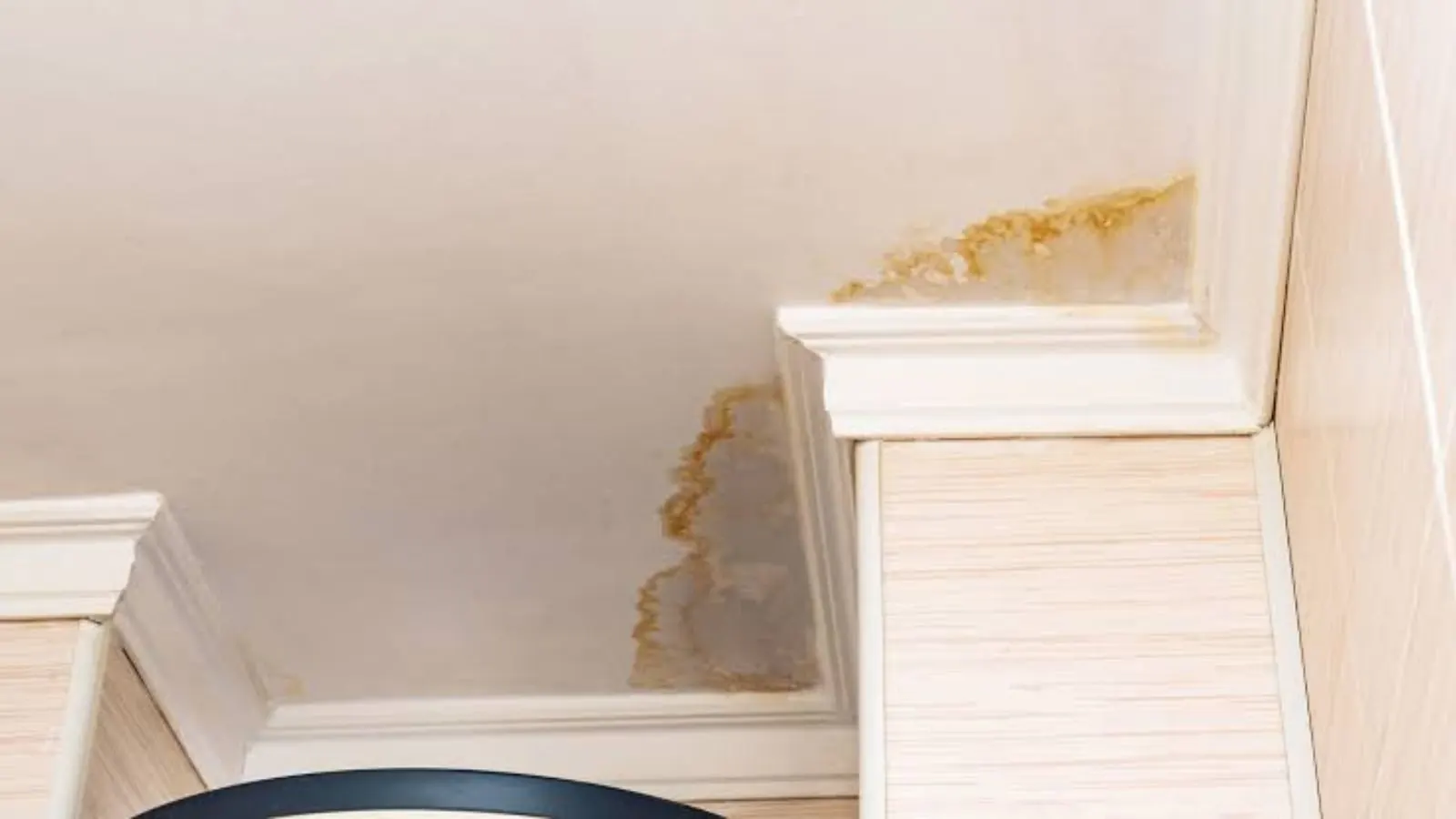
Minor Ceiling Water Damage in Acton, MA: Test and Fix It
Minor ceiling water damage is a small stain on firm, dry drywall where the leak is already fixed and nothing is sagging, soft or growing. In that case the cure is a stain-blocking primer and a fresh coat of paint. If the stain is still damp, still growing or the drywall is soft, it is not minor, and cosmetic fixes will fail.
This guide gives you a quick way to tell the difference. If you have a larger problem, water damage repair explains how a full repair works, and our guide to finding the source helps when you do not know where the water came from.
A Five-Minute Test
Is it minor? Answer yes to every line
- The leak has been fixed and has not returned through at least one rainstorm or fixture use.
- The stain is dry to the touch and the area is not warm or damp.
- The drywall is firm when you press it with a finger.
- There is no sagging, bubbling or peeling paint.
- There is no mold or musty odor.
- The stain is not growing and has no wet edge.
If any line is a no, treat it as a real problem. Press gently with the flat of your fingers at the stain and the area around it. If the surface dents or feels soft, water is still in the drywall. If you have a moisture meter, check readings against an unaffected ceiling area in the same room.
Why Minor Stains Come Back
Paint alone will not hide a water stain, because the brown tannins and minerals in the stain bleed through ordinary paint. The fix is a stain-blocking primer applied before the topcoat. A shellac-based or oil-based stain blocker is the usual choice, with good ventilation while you work.
The other reason stains come back is a leak that is not really fixed. A single dry day does not prove it. Wait through a rain or two, or run the fixture, before you cover the stain. If a new ring forms around the old one, the leak is still active.
| Step | What to do | Tip |
|---|---|---|
| 1 | Confirm the leak is fixed and the ceiling is dry | Moisture meter or a week of dry weather |
| 2 | Clean the surface and scrape loose paint | Mild detergent, let it dry |
| 3 | Apply a stain-blocking primer | Extend a few inches past the stain edge |
| 4 | Let the primer dry fully | Follow the can for recoat time |
| 5 | Paint the whole ceiling plane | Avoids a visible patch under angled light |
Work with a ladder you trust, wear eye protection and keep the room ventilated.
Stain still damp or growing? Call the 24/7 line before you paint over a live problem.
☎ Call (978) 252-8637When Minor Is Not Minor
Some small stains hide larger problems. A faint ring on a ceiling below a bathroom can mean the subfloor and insulation are wet, especially after a slow toilet seal leak. A stain near an exterior wall in winter can be an ice dam that has soaked insulation. In both cases the visible size does not match the real wet area.
If a stain is small but keeps coming back, or if you can smell mustiness, cut a small inspection hole or call a professional with a moisture meter. EPA says to dry water-damaged areas within 24 to 48 hours to prevent mold, so leaving a damp cavity closed up for weeks is risky.
Small Stains In Acton's Older And Newer Homes
Acton's hazard mitigation plan reports about 10 percent of housing units were built before 1940. In those homes, a small stain on a plaster ceiling may sit over wood lath and old insulation, and plaster does not show moisture the way drywall does.
Newer subdivisions such as Nagog Woods in North Acton tend to have drywall ceilings and appliance or supply-line leaks. A dishwasher hose or an upstairs supply line can leak slowly, so a small stain below a kitchen or bath is worth checking behind.
Choosing Primer And Paint
A stain-blocking primer is the key product. Oil-based and shellac-based primers block the strongest stains but have strong fumes and need good ventilation. Water-based stain blockers are easier to use and work for lighter stains. Read the label for ceiling use and for the stain type, then follow the recoat time.
Use a flat ceiling paint for the topcoat. Flat paint hides surface flaws better than glossier finishes. If the stain bleeds through the first coat of primer, let it dry and apply a second coat before painting. Painting over a bleeding stain only produces a brown shadow in the new paint.
Prevent The Next Stain
Simple yearly checks
- Clean gutters in spring and fall and extend downspouts away from the house.
- Look at the attic for wet insulation after winter.
- Make sure bathroom fans vent outdoors and run them after showers.
- Inspect caulk around tubs and showers and replace failing caulk.
- Check under sinks and behind appliances for slow drips.
These checks take less than an hour a year and find most of the small leaks that become stains. They also give you a baseline, so you notice when something changes.
When To Take A Second Look
Revisit a repaired stain after the next heavy rain, the next thaw and the next time the upstairs shower runs for a long stretch. If the stain does not return after those three tests, you can trust the fix. If a faint ring appears at the edge, the leak is not finished, and you should look at the roof, the pipe or the vent again.
Photograph the repaired area with the same light and angle each time. Small changes are hard to notice day to day but easy to see side by side.
Document The Stain
Even a minor stain is worth photographing, in case it grows or you file an insurance claim. The Massachusetts Division of Insurance says to take photos and keep receipts. Note the date, the weather and what you did, because that record helps if the problem returns.
If your stain is part of a bigger leak and the area turns out wet, mold remediation may be part of the plan. And if you rent, tell your landlord in writing. Homeowners in Westford and Maynard see small stains turn into bigger ones every winter.
Questions Acton Homeowners Ask
Not if the leak is fixed, the drywall is firm and dry and the stain is not growing. If any of those fail, treat it as a real problem.
Water stains contain tannins and minerals that bleed through ordinary paint. Use a stain-blocking primer first.
Use a moisture meter or press the drywall to check it is firm and not cool or damp. Compare readings with an unaffected area.
Sometimes. If you smell mustiness or see dark spots, treat it as possible mold and follow EPA guidance.
If the stain is damp, growing, sagging, bubbling or recurring, call the line.
Wet Ceiling, Wall Or Floor In Acton?
Reading helps, but wet materials do not wait. Call the 24/7 line, describe what you see and hear what happens next.
☎ Call (978) 252-8637