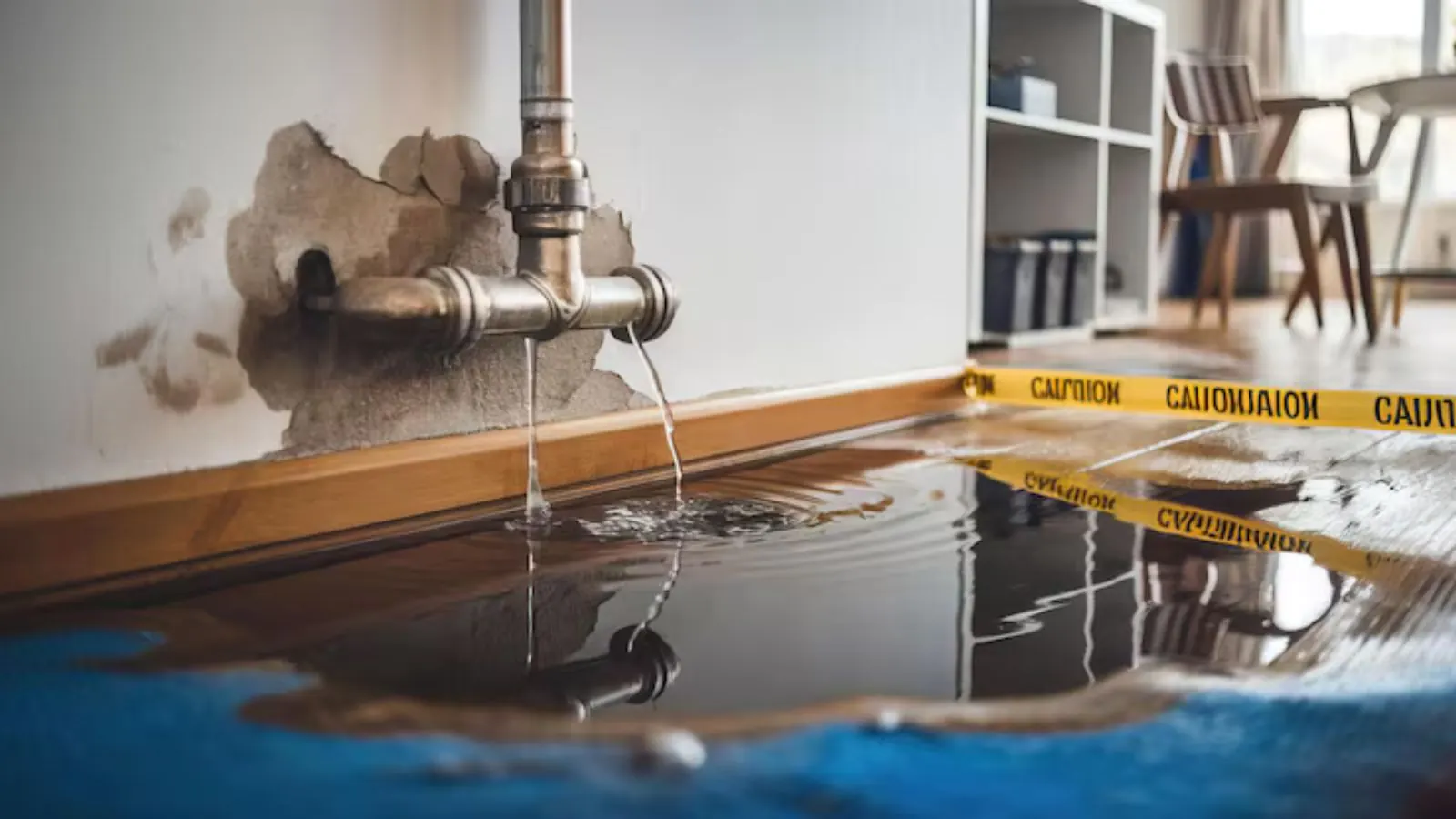
Emergency Water Mitigation in Acton, MA
Water mitigation in Acton is the first 24 to 72 hours of water damage work: stop the source, remove standing water and start drying before the damage spreads. The emergency line is open 24/7.
Water mitigation means limiting damage while it is still limited. If you have just discovered a leak, call now. While you wait, shut off the main water valve, lift items off wet floors and turn off power to wet areas only if the panel is dry to reach. Same-day response is offered when available, and after-hours calls get the same priority as daytime ones.
A Wet Wall Or Soaked Carpet? That Is Mitigation
Most people do not search for the word mitigation. They search for a wet wall, a damp carpet or a stain that is spreading. If that is you, this is the page. Mitigation is the trade name for what happens first: moisture is located, water is removed and the structure is dried before mold and swelling set in.
The work is built around the ANSI/IICRC S500 standard for water damage restoration, and you can ask any company whether its crews follow it. The standard treats drying as a measured process with goals and readings, not a matter of leaving fans on and hoping.
What The First 72 Hours Look Like
Stop the source
Shut off the valve, fix or cap the break and confirm water has stopped moving.
Map the moisture
Meters and thermal imaging show which walls, floors and ceilings are wet, including hidden areas.
Extract and remove
Standing water comes out first. Materials that cannot be saved, like soaked pad, come out next.
Dry and monitor
Air movers and dehumidifiers run while technicians record readings until goals are met.
EPA guidance says to dry water-damaged areas within 24 to 48 hours to prevent mold growth, which is the practical clock behind the work. Materials that stay wet longer may need removal instead of drying.
Structural Drying Equipment In Plain Words
Air movers push dry air across surfaces so water leaves them faster. Dehumidifiers pull that moisture out of the air so it does not just move to the next room. LGR dehumidifiers are built to keep working at low humidity, and desiccant units handle cold or very damp conditions. Specialty tools push air into wall cavities and under floors.
Drying time depends on how much water there is, what it soaked into and the conditions in the house. Thick materials like hardwood and plaster take longer than thin ones. Technicians record moisture readings during visits and stop when readings reach the goal, so the readings decide when the job is done.
| Equipment | What it does | Where it is used |
|---|---|---|
| Moisture meter | Reads moisture content in wood, drywall and concrete | Every room, every visit |
| Thermal imaging camera | Shows temperature differences that suggest hidden moisture | Walls, ceilings and floors |
| Air mover | Moves air across wet surfaces to speed evaporation | Floors, walls and cavities |
| LGR dehumidifier | Removes moisture from air even at lower humidity | Closed, affected rooms |
| Extraction unit or pump | Removes standing water and water from carpet | Initial response |
Water still spreading or walls still wet? Call the 24/7 line and we will start the plan.
☎ Call (978) 252-8637When The Water Comes From Outside The House
If the source is the water main or the service line before your meter, the Acton Water District, which serves about 95 percent of town residents from eleven wells, has an employee on call 24 hours a day for emergencies. Its number is on its website. A pipe inside the house or a failed appliance is on your side of the meter, and the restoration line is the right call.
The town's hazard mitigation plan notes that freezing followed by rain can block catch basins. When street drainage is blocked, water finds the lowest route, and in Acton that is often a basement window well. Clearing the catch basin if it is safe to do so, or reporting it, can reduce what comes in while mitigation is underway.
Mitigation, Cost And Insurance
Price depends on the water category, the area affected, the materials involved, how many days equipment runs and whether rebuild is needed afterward. We explain scope and price before work starts. For a number that fits your house, call the line and describe the damage.
The Massachusetts Division of Insurance advises making temporary repairs to prevent further damage, keeping receipts and waiting for the insurer's inspection before permanent repairs. Mitigation is that temporary stage. Whether it is covered depends on your policy, so check it and call your insurer promptly.
After drying, rebuild is handled under water damage repair. Heavy contamination from storm water or sewage is covered under flood damage restoration, and debris removal is part of water damage cleanup.
Water Mitigation Questions
Yes. The emergency line is answered 24/7, and same-day response is offered when available. Call at any hour if water is spreading.
Placement and monitoring matter as much as the machines, so drying equipment is set up and monitored as part of the mitigation job, with moisture readings taken during visits.
It depends on the amount of water and what it soaked into. Technicians record readings during visits, and the job is finished when the materials reach the drying goal.
Moisture mapping with meters and thermal imaging can trace water through walls and under floors. Tell the dispatcher what you see and a technician will start with the likely path.
Mold can begin to grow, so materials that cannot be dried are removed. If growth is already visible, see our mold remediation page.
Stop The Spread Today
Dispatch is open around the clock. Call, describe what is wet, and we will start the mitigation plan.
☎ Call (978) 252-8637