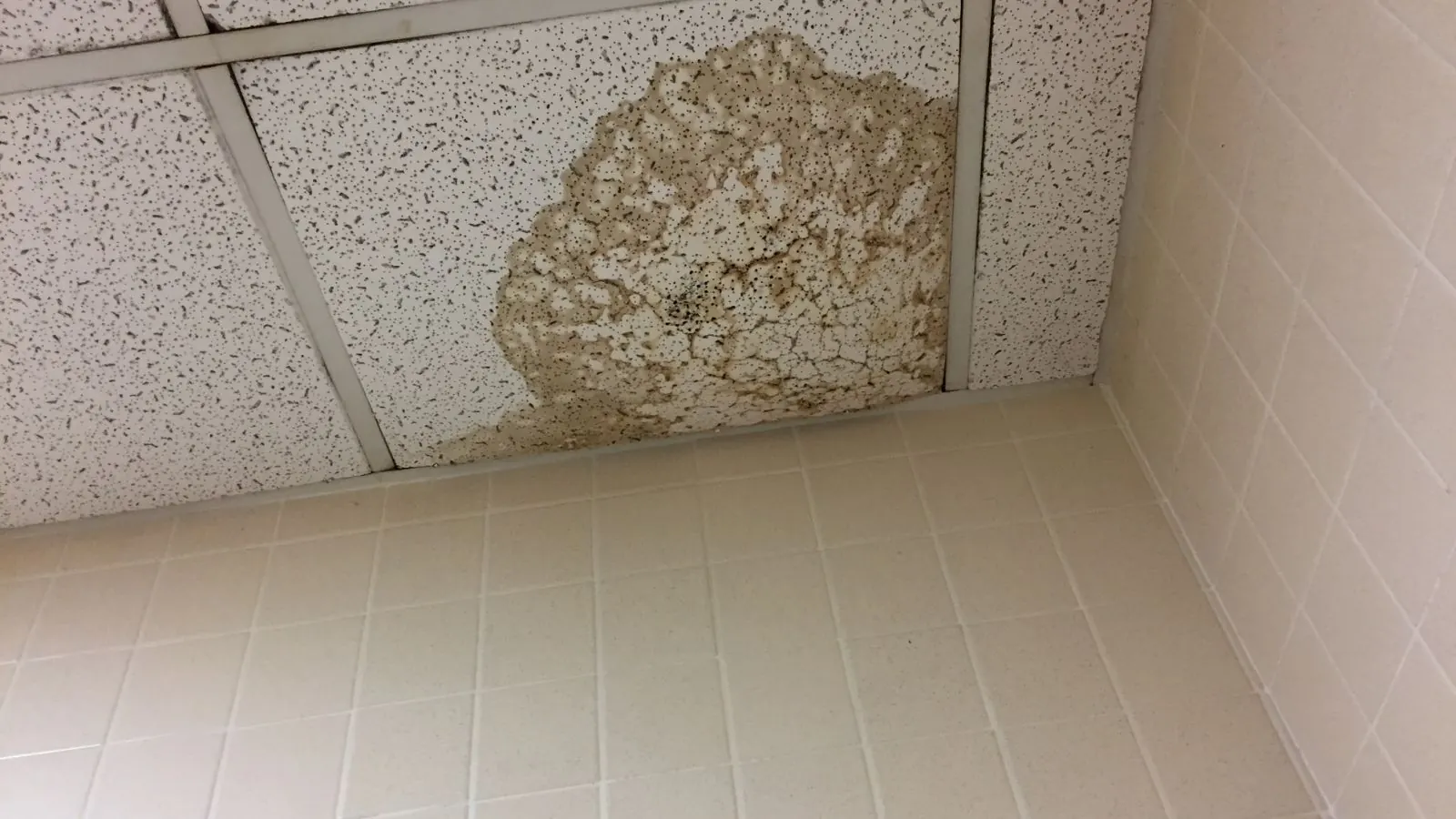
Water Damage on a Ceiling in Acton, MA: Find the Source First
Water damage on a ceiling has a source, and finding it before you repair anything is the difference between a lasting fix and a repeat stain. The three most common sources are a roof leak, a plumbing leak from the floor above and condensation from a poorly vented attic or an air handler. Each leaves a different pattern, and you can read it.
This page helps you tell them apart, shows what to check and explains when a professional is the right call. For the repair steps once the source is stopped, read our guide to [repairing ceiling water damage.
Read The Stain
| What you see | Likely source | What to check |
|---|---|---|
| Stain appears during or after rain or snowmelt | Roof, flashing or ice dam | Attic underside of the roof, around chimneys and vents |
| Stain below a bathroom, kitchen or laundry | Plumbing leak above | Toilet seal, tub overflow, supply lines, dishwasher hose |
| Stain follows a straight line along a joist | Pipe in the ceiling cavity | Listen for dripping, check water meter movement |
| Stain with rings and recurring growth | Repeated wetting over time | Look for old and new rings |
| Damp patch in winter with no rain | Condensation or attic ventilation | Attic insulation and bath fans venting outdoors |
A guide to likely causes. A technician confirms the source with moisture tools.
Check The Plumbing Test
If you suspect a plumbing leak, turn off all water use and look at your water meter. If the dial moves with everything off, you have a leak somewhere in the house. Then run the suspect fixture, for example the upstairs shower, and watch the ceiling below. Only one fixture at a time keeps the test meaningful.
If the water comes from a pressurized supply line, shut off the main valve and call a plumber. If the water is drain water, such as from a tub, toilet or washing machine, it is dirtier and the materials it touched are handled more carefully. Tell the crew which one you have.
Check The Roof And Attic
Attic and roof clues
- Wet or compressed insulation under a roof area.
- Dark staining or rusted nail tips on the roof deck underside.
- Daylight showing through the roof deck or around vents.
- Frost or ice on the underside of the roof in cold weather.
- Bathroom or kitchen fans that vent into the attic instead of outdoors.
A roof leak often travels along a rafter before it drips, so the stain may appear several feet from the entry point. Staying off the roof in wet or icy weather is safer than climbing up for a look. A roofer can inspect and fix flashing or shingles, and we handle the water inside.
Ceiling dripping now? Call the 24/7 line and a crew can extract, dry and explain what happens next.
☎ Call (978) 252-8637Condensation Is Easy To Miss
In winter, warm moist air from showers and cooking can rise into a cold attic and condense on the roof deck. Poorly sealed ceiling penetrations let humid air in, and bath fans that vent into the attic add more. Over time this can look like a roof leak, with stains and even mold on the roof deck and wet insulation, but the cure is air sealing and proper ventilation, not new shingles.
Air conditioning systems can also leak. A clogged condensate drain line or a full drain pan above a ceiling will drip when the system is cooling. If your stain appears in summer and follows the air handler, shut the system off and call an HVAC technician.
Acton Weather That Causes Ceiling Leaks
Acton's hazard mitigation plan gives average annual snowfall of 48 to 72 inches and notes that freezing temperatures followed by rain can block catch basins. Freeze, thaw and rain all play a role in ice dams and in water getting where it should not.
The town's trails page estimates that a 2023 storm brought 4.1 inches of rain, enough to wash out a culvert at Camp Acton. Heavy rainfall events can overwhelm gutters and flashings, so check the ceiling a day after a big storm even when you saw no drip.
Keep A Leak Log
A short log makes a roofer's or plumber's job much easier. Write down the date and time the stain appeared, the weather that day, whether anyone had run water upstairs and whether the stain grew. Take a photo each time with a coin or ruler beside the stain for scale.
What to record
- Dates when the stain appeared and when it grew.
- Rain, snow or thaw in the previous 24 hours.
- Which fixtures upstairs were used, and when.
- Whether the heating or cooling system was running.
- The size of the stain compared with a reference object.
What A Professional Brings
A restoration technician carries tools that homeowners rarely own. A pin or pinless moisture meter reads moisture inside drywall and framing without cutting. A thermal camera shows temperature differences that often mark a wet area. Neither tool finds the leak by itself, but both show how far the water has traveled.
That information matters because the visible stain is often only part of the wet area. Water follows framing and pipes and can collect at a low point several feet away. Knowing the full extent lets the crew dry and cut out the right areas the first time.
Once The Source Is Stopped
With the source fixed, dry the area, cut out what is wet and repair. A crew uses moisture meters and, where needed, thermal imaging to find water that has traveled. It is common for a leak to wet more than the visible stain. Water damage repair covers the rebuild stage.
Neighbors in Boxborough and Littleton tend to find the same patterns, particularly in winter. Take photos and keep notes on when the stain appears, because the timing tells the roofer or plumber a lot.
Questions Acton Homeowners Ask
Roof leaks follow rain or snowmelt and often appear near exterior walls or the roof edge. Plumbing leaks follow fixture use and appear below bathrooms, kitchens and laundry rooms.
Ice dams, snowmelt and attic condensation are common. Warm moist air rising into a cold attic can condense on the roof deck.
Yes. Turn off all water use and watch the meter. If it moves, there is a leak somewhere in the house.
Not in wet or icy conditions. Check from the attic and call a roofer for an inspection.
A roofer or plumber fixes the source. We remove water, dry the structure and repair the damage.
Wet Ceiling, Wall Or Floor In Acton?
Reading helps, but wet materials do not wait. Call the 24/7 line, describe what you see and hear what happens next.
☎ Call (978) 252-8637