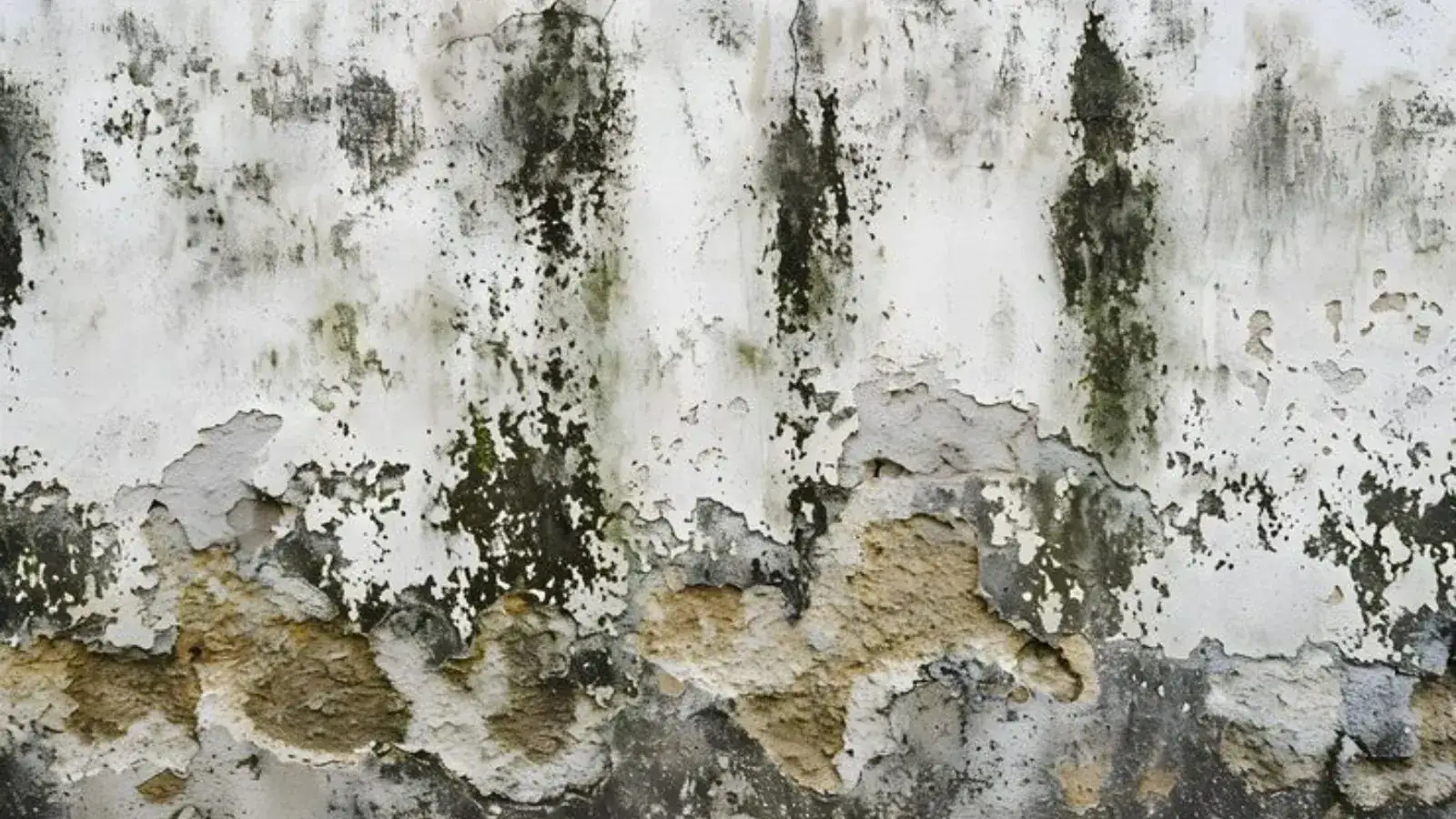
What Is Black Mold? What Acton, MA Homeowners Should Know
Black mold is a common name for dark-colored mold growth, and it is often used to mean one species, Stachybotrys chartarum. Many molds are black or dark green, so color alone does not identify what you have. EPA's guidance does not change by color. Any visible mold should be cleaned or removed and the moisture that caused it should be fixed.
We make no health claims about specific molds. Questions about symptoms belong to your physician. What we can describe is how to handle mold in the home, using EPA guidance. For cleanup, see our page on mold remediation.
Why Color Is Not The Answer
People search for black mold because the name sounds alarming. In practice, dark growth can be several types, and a lab would need to test a sample to identify species. EPA says that if mold is visible, testing is usually unnecessary. The plan is the same either way: stop the water, remove the mold and dry the area.
| Question | Practical answer |
|---|---|
| Can I tell the species by color? | No. Color varies with species, surface and moisture. |
| Do I need testing to start cleanup? | Usually not if mold is visible, per EPA. |
| Is there a federal mold limit? | No. EPA says there are no federal limits for mold or mold spores. |
| What matters most? | Fixing the moisture source and removing the growth. |
| Who should handle large areas? | A professional, per EPA, for areas larger than about 10 square feet. |
Based on EPA mold guidance. Health questions belong to a physician.
Where Dark Mold Tends To Grow
Stachybotrys and similar molds grow on materials that stay wet for days, such as drywall paper, ceiling tiles, wood and cardboard. They need constant moisture, which points to a leak, a flood or long-term humidity. That is why the conversation is always about the water first.
What to do when you find dark growth
- Find and stop the moisture source before anything else.
- Measure the area. EPA says under about 10 square feet may be a homeowner job.
- Wear gloves, eye protection and an N95 respirator, and keep others away.
- Bag moldy porous materials, such as drywall and ceiling tile, and discard them.
- Clean hard surfaces with detergent and water, then dry them completely.
- Call a professional for larger areas, sewage or flood water.
Do not disturb the growth more than necessary, since scraping or dry-brushing can spread spores. Do not run the HVAC system if you suspect contamination of ducts. EPA does not recommend bleach as a routine part of mold cleanup, and killing mold is not the same as removing it, so the growth needs to be taken off the surface.
Dark growth after a leak or flood? Call the 24/7 line before it spreads.
☎ Call (978) 252-8637Why Water Events Matter In Acton
Acton's 2018 hazard mitigation plan lists regional flood events in April 2007 and March 2010. March 2010 was the wettest month on record, and the Assabet River gage in Maynard reached 7 feet against a flood stage of 5 feet.
A flood or heavy storm that wets a basement can set up mold within days if materials stay wet. If your home took on water in a storm, dry it quickly and check behind finished walls and under carpet, because mold grows where water lingers.
Common Myths
| Myth | What the guidance says |
|---|---|
| Only black mold needs attention | EPA treats visible mold the same way whatever its color |
| Bleach solves every mold problem | EPA does not recommend bleach as a routine part of cleanup |
| Painting over mold seals it in | Paint hides the surface but does not remove growth or fix the moisture |
| A home test kit tells you if the house is safe | No federal limits exist, so results are hard to interpret |
| Mold never comes back after cleanup | It can return if moisture returns |
Based on EPA mold guidance.
Fear sells products, and mold marketing leans on it. The calm approach is also the effective one. Look at the water, remove the growth, dry the space and watch it. If you are worried about your health, talk to a physician, and tell them honestly what you found.
When you hire help, notice whether the company talks about moisture. A company that begins with a spray or a test and never mentions the water source is selling a product, not solving the problem.
What To Ask A Company That Mentions Black Mold
Useful questions
- Why does the species matter to the plan, if the cleanup steps are the same?
- What is the plan for the moisture source?
- How will the area be contained and filtered?
- Will the company work to the ANSI/IICRC S520 standard?
- What does the quote include and exclude?
A company that leads with a frightening species name and a large number deserves a second look. A company that leads with moisture, containment and drying is describing the work that actually matters. Compare at least two written quotes.
Keeping A Sensible Perspective
Dark mold on a ceiling corner is a moisture problem with a visible symptom. Treat the moisture, remove the growth and dry the space. Most homeowners who follow that order solve the problem without ever learning the species name, and that is perfectly fine.
If you are renting, put the problem in writing to your landlord, with photos and dates. If you own the home, collect receipts and records. In both cases, a clear paper trail is more useful than a lab label.
Hiring Help The Right Way
Ask any company whether its crews work to the ANSI/IICRC S520 standard for mold remediation. Ask how the area will be contained, how air will be filtered and whether independent clearance testing will be part of the plan. EPA says surface sampling after cleanup can help confirm an area was cleaned, but professionals with specific experience should do it.
Be skeptical of anyone who promises a specific outcome for your health or that mold will never return. Only controlling moisture keeps mold from coming back. Neighbors in Boxborough and Littleton deal with the same advice for any color of mold.
If mold followed a leak, ask who will repair the source and the damage. Water mitigation dries the structure so mold does not return, and the rebuild follows.
Questions Acton Homeowners Ask
We make no health claims. EPA's guidance on cleanup does not change by color, and health questions belong to your physician.
Only a lab can identify species. EPA says testing is usually unnecessary if mold is visible, since the cleanup plan is the same.
EPA says many people can clean areas smaller than about 10 square feet. Larger areas, sewage or flood water call for a professional.
EPA does not recommend bleach as a routine part of mold cleanup, and dead mold still needs to be removed.
It can if moisture returns. Fixing the source and controlling humidity are what prevent regrowth.
Mold Or Moisture Problem In Acton?
A guide can size up a small patch. For larger growth or a wall that stays wet, call the 24/7 line and we will walk through the plan.
☎ Call (978) 252-8637